KDE für digitale Souveränität
Von Tech-Giganten unabhängig seit 1996
Entwickelt von Menschen, für Menschen
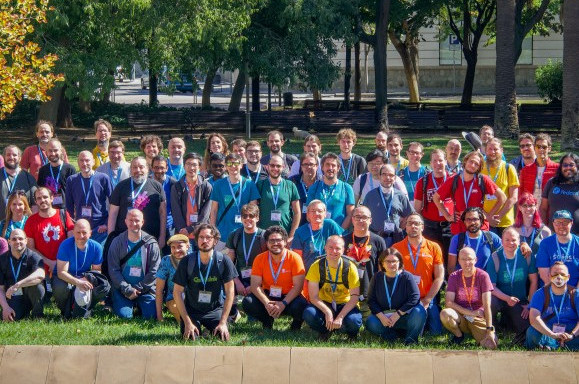
KDE ist eine weltweite Gemeinschaft von Freiwilligen, die freie und quelloffene Software entwickeln, die jeder nutzen und genießen kann. Im Gegensatz zu anderen Softwareentwicklern sind wir eine gemeinnützige Organisation: Wir sind nicht darauf aus, Geld zu verdienen, sondern wir möchten die Welt zu einem besseren Ort machen. Wir streben eine Welt an, in der monopolistische Konzerne und repressive Regierungen nicht so viel Macht über unser digitales Leben haben. Uns liegen Datenschutz und digitales Wohlbefinden wirklich am Herzen und wir setzen uns für den Schutz von Nutzerrechten ein. KDE e. V., die gemeinnützige Organisation hinter KDE, ist ein eingetragener Verein mit Sitz in Deutschland.
Open Source und Transparenz
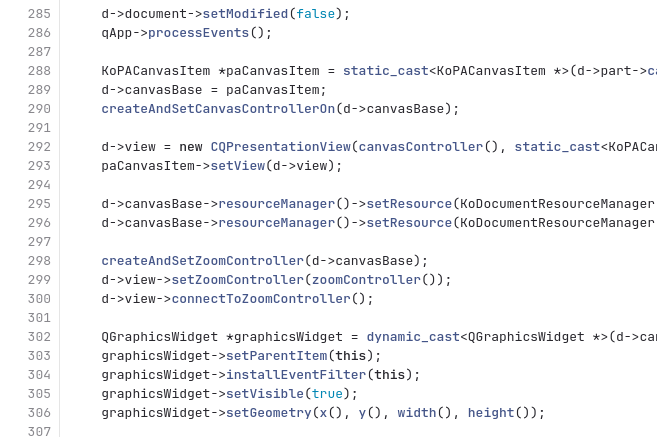
KDE-Software ist vollständig Open Source, was bedeutet, dass ihr Quellcode öffentlich zugänglich ist und von jedem eingesehen, geändert oder weiterverbreitet werden kann. Diese Transparenz hilft Anwendern und Forschern dabei, sicherzustellen, dass die Software frei von schädlichen Eigenschaften ist, wie sie manchmal in proprietärer Software zu finden sind – beispielsweise Spyware, Hintertüren und Werbung.
Außerdem betreiben wir unsere gesamte Infrastruktur selbst und setzen dabei ausschließlich auf quelloffene Software.
Unabhängigkeit von den „Big Tech“-Ökosystemen
KDE-Software läuft auf verschiedenen Betriebssystemen (wie Linux, BSD, Android und sogar Windows) und gibt den Nutzern so die Freiheit, eine Plattform zu wählen, die ihren Bedürfnissen und Werten entspricht. Diese Flexibilität ist besonders wertvoll für die digitale Souveränität, da so Regierungen und Organisationen ermöglicht wird, eine Bindung an bestimmte Betriebssysteme, Hardware oder Cloud-Plattformen zu vermeiden, die zu einer Abhängigkeit von ausländischen Unternehmen führen könnte. KDE unterstützt zudem so weit wie möglich offene Standards und Protokolle.
Indem sie eine Bindung an große Technologieunternehmen vermeiden, behalten KDE-Nutzer die Möglichkeit, Systeme und Daten nach eigenem Ermessen zu migrieren – ein entscheidender Faktor dabei, die Kontrolle über digitale Ressourcen zu behalten.

Umfassende Internationalisierung und Lokalisierung
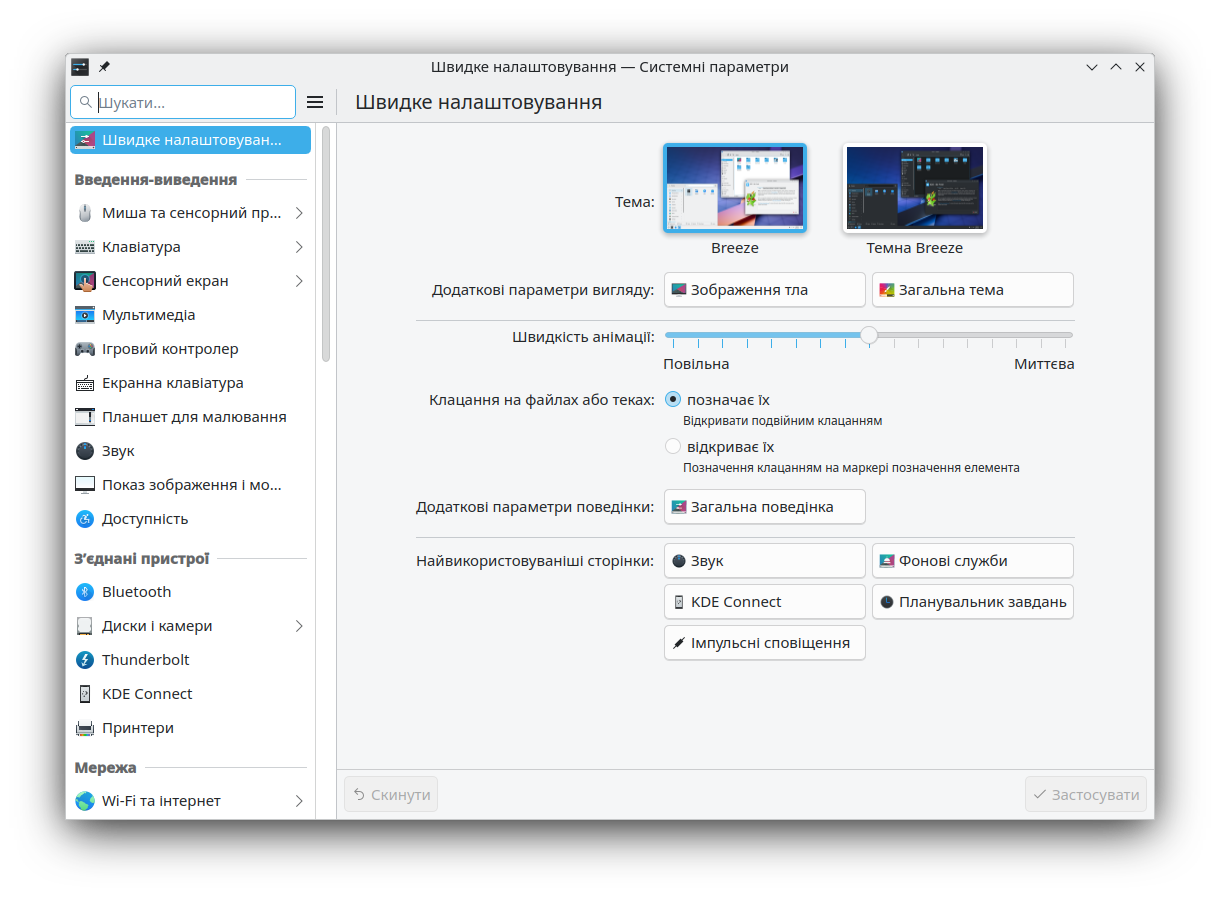
KDE bietet umfassende Sprachunterstützung und lässt sich problemlos für verschiedene Länder und Regionen lokalisieren, wodurch es für Regierungen und Organisationen weltweit zugänglich und praktisch einsetzbar ist. Dies ist insbesondere für Initiativen zur digitalen Souveränität in nicht-englischsprachigen Regionen von Bedeutung, da sie so KDE-Software einsetzen können, die an ihre sprachlichen und kulturellen Bedürfnisse angepasst ist.
„Janayugom“ ist eine Tageszeitung in Malayalam (einer in Kerala gesprochenen südindischen Sprache), die aufgrund der Unterstützung von Unicode und Malayalam-Schriftarten auf KDE und Scribus umgestiegen ist und nun nicht mehr auf alte Versionen von Adobe-Software zurückgreift. Den vollständigen Artikel lesen.
Im Jahr 2000 rief der norwegische Sprachrat dazu auf, Microsoft zu boykottieren und stattdessen KDE zu nutzen, da man dort Übersetzungen für beide schriftlichen Normen der norwegischen Sprache – Bokmål und Nynorsk – beisteuern konnte, was bei Windows zu dieser Zeit nicht der Fall war.
System Settings in Ukrainian
Einsatz im öffentlichen Bereich
Lliurex, ein auf KDE basierendes Betriebssystem, wird seit 2005 im gesamten öffentlichen Schulsystem der Region Valencia in Spanien eingesetzt – einer der größten und am längsten bestehenden Einsätze von KDE in der öffentlichen Verwaltung.
Das deutsche Bundesland Schleswig-Holstein erprobt derzeit ein Linux-basiertes Arbeitsplatzkonzept für seine öffentliche Verwaltung, wobei der Technologie-Stack von KDE zu den aussichtsreichsten Kandidaten zählt.
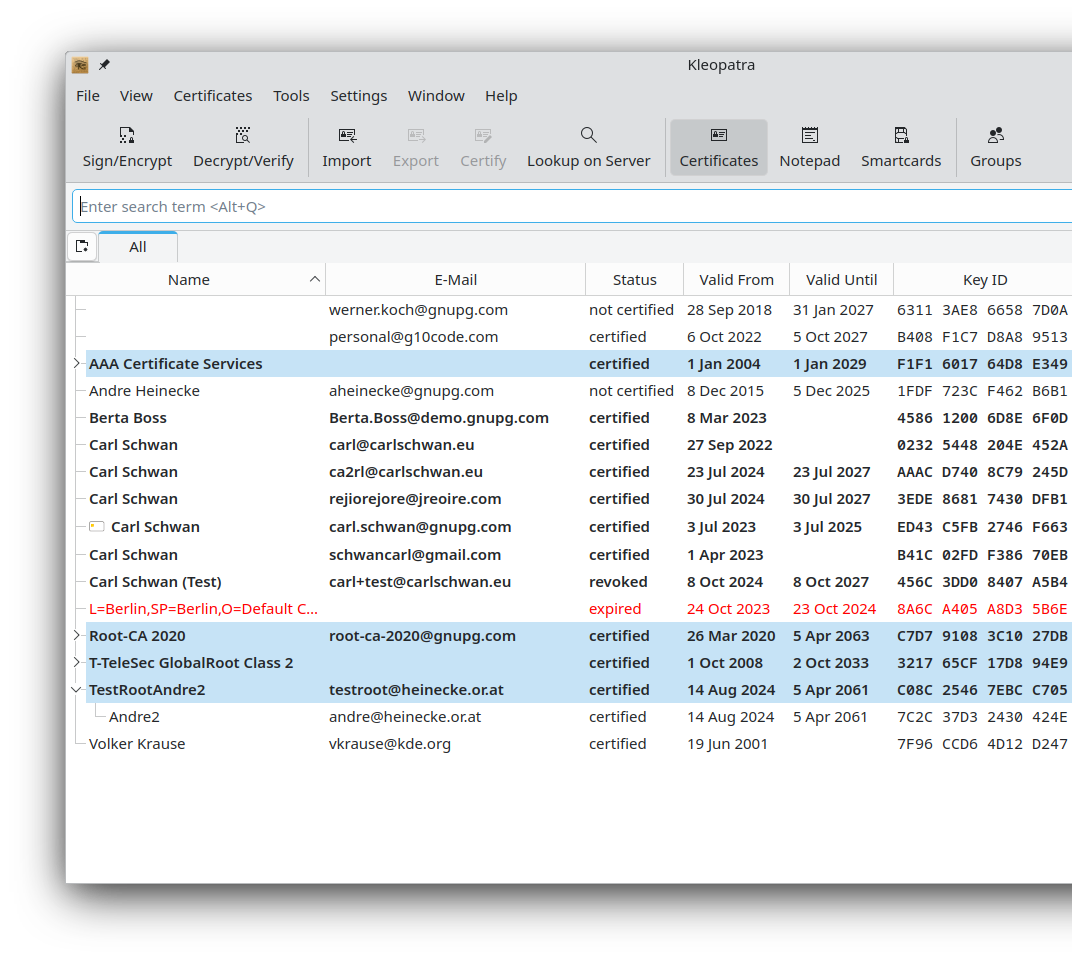
Kleopatra ist ein weiteres Beispiel für KDE-Software im öffentlichen Sektor. Es ist Bestandteil des Softwarepakets GnuPG VS-Desktop®, das auf KDE PIM basiert und vom Bundesamt für Sicherheit in der Informationstechnik (BSI) für den Umgang mit Verschlusssachen zertifiziert ist. Es entspricht den Einstufungen VS-NfD (Deutschland) und EU-RESTRICTED sowie NATO-RESTRICTED (EU bzw. NATO). Diese Vertraulichkeitsstufen werden von vielen Unternehmen und Behörden in ganz Europa eingesetzt, um sicher zu kommunizieren – darunter auch Rüstungsunternehmen, die sensible NATO-Dokumente sicher aufbewahren müssen.
Einsatz in Forschungseinrichtungen
Die Software von KDE findet zunehmend Verbreitung in Forschungseinrichtungen und Hochschulen weltweit. Akademische Einrichtungen profitieren von der quelloffenen Software von KDE, die individuell anpassbar ist und den Datenschutz in den Mittelpunkt stellt sowie ein breites Spektrum an Aktivitäten in den Bereichen Lehre, Forschung und Verwaltung unterstützt.
Am ALBA Synchrotron in Barcelona (Spanien), einer der größten Forschungseinrichtungen Europas, läuft Plasma auf den meisten Kontrollraum-Computern. Die NASA setzt KDE seit Anfang der 2000er Jahre in ihren Missionskontrollräumen ein, unter anderem bei den Landungen der Mars-Rover und bei der Mission „InSight“, und tut dies auch heute noch. Auch die Space Geodesy Facility des NERC und das LIGO-Observatorium Hanford setzen auf ihren wissenschaftlichen Arbeitsplätzen KDE-Software ein, darunter Plasma und Konsole.
Dank der vielseitig anpassbaren Software von KDE können Universitäten und Forschungseinrichtungen die Arbeitsumgebung genau auf ihre spezifischen Anforderungen zuschneiden. So können sie Arbeitsplätze für spezielle Laborumgebungen einrichten, Datenschutzeinstellungen anpassen und die für verschiedene Forschungsdisziplinen erforderlichen Softwarepakete installieren.
Einsatz im privaten Bereich
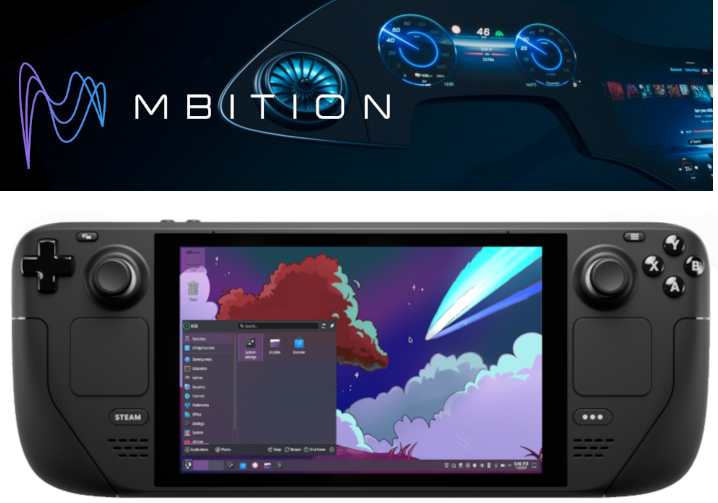
Der Compositing-Fenstermanager „KWin“ von KDE und die KDE Frameworks-Bibliotheken bilden die Grundlage für MBUX, die Infotainment-Software in den neuesten Elektrofahrzeugen von Mercedes-Benz, die von MBition entwickelt wurde. MBition nutzt die Technologie und das Fachwissen von KDE für seine Produkte, um nicht von einem Multimediasystem eines Drittanbieters abhängig zu sein. Erfahren Sie mehr über die Zusammenarbeit zwischen MBition und KDE.
Das Steam Deck von Valve ist eine Handheld-Spielkonsole, die mit einem speziell angepassten Linux-basierten Betriebssystem (SteamOS) läuft. Sie verwendet KDE Plasma als Arbeitsflächenumgebung. Dank seiner Leichtigkeit und Flexibilität ist KDE Plasma eine hervorragende Wahl für das Steam Deck.
Ein vollständig souveräner Stack
Bei digitaler Souveränität geht es nicht nur um die Arbeitsflächenumgebung, sondern um jede Ebene der Technologiearchitektur, auf die eine Regierung oder Organisation angewiesen ist. KDE-Software ist so konzipiert, dass sie über offene Standards mit anderen unabhängigen Open-Source-Projekten interagiert. So können Organisationen eine vollständig selbst betriebene Alternative zu den „Big Tech“-Ökosystemen aufbauen, anstatt eine Form der Bindung durch eine andere zu ersetzen.
Nextcloud kann für Dateispeicherung, Kalender und Groupware in KDE Plasma integriert werden. Matrix (z. B. über die KDE-eigene Anwendung NeoChat) bietet föderierten, verschlüsselten Nachrichtenaustausch. LibreOffice oder Collabora Online übernehmen die Dokumentbearbeitung. Jede Ebene nutzt offene Standards wie CalDAV/CardDAV, IMAP, ODF und Matrix anstelle proprietärer Standards. Dadurch wird sichergestellt, dass kein einzelner Anbieter – auch KDE nicht – die alleinige Kontrolle hat. Organisationen können jede Komponente selbst betreiben, für jede Komponente einen anderen Anbieter wählen und jede Komponente migrieren oder ersetzen, ohne den Rest der Software-Architektur zu beeinträchtigen.
Das ist dasselbe Modell, das auch hinter nationalen Initiativen wie dem deutschen openDesk steht, das Projekte wie Nextcloud, Collabora und Element zu einem umfassenden digitalen Arbeitsplatz bündelt. Auf Seite der Arbeitsflächenumgebung ermöglicht das Kiosk-Framework von KDE Administratoren die zentrale Einrichtung und Beschränkung von Plasma in großem Umfang, während Kleopatra PGP/S-MIME-Verschlüsselung und Smartcard-Unterstützung für sichere Kommunikation bietet. Das macht Plasma zu einer idealen Arbeitsplatzumgebung für genau diese Art von souveräner Software-Architektur.
Compliance
Regierungen und Institutionen, die den Einsatz von KDE erwägen, haben häufig spezifische Fragen zur Compliance: Datenschutzverpflichtungen, Verfahren zur Offenlegung von Sicherheitslücken, Zeiträume für die Langzeit-Unterstützung (LTS) oder die Einhaltung von Barrierefreiheitsstandards. Unsere Compliance-Seite gibt direkt Antworten darauf. Darunter ist auch die Tatsache, dass wir keine Beziehung als Auftragsverarbeiter im Sinne der DSGVO unterhalten, unser Engagement für Barrierefreiheit und Nachhaltigkeit, die Art und Weise, wie Sicherheitsprobleme gemeldet und öffentlich nachverfolgt werden, sowie den aktuellen Unterstützungszeitraum für die aktuelle LTS-Version von Plasma.
Diese Technologie steht Ihnen zur Verfügung
Ganz gleich, ob Sie ein Unternehmen oder eine Behörde leiten oder als Privatperson eine sichere Lösung suchen, die Ihre Privatsphäre schützt – KDE hat das Richtige für Sie.
Die gesamte Technologie von KDE steht Unternehmen, Institutionen und Privatpersonen als freie Software zur Verfügung. Sie können sie selbst installieren, Geräte kaufen, auf denen KDE-Software vorinstalliert ist, Hilfe von Experten erhalten oder aus leistungsstarken Frameworks für Ihre eigene Entwicklung wählen.
Wenn Sie eine Behörde, ein Unternehmen oder eine Institution sind und KDE im Hinblick auf eine Einführung oder eine Partnerschaft prüfen, sprechen Sie uns an! Der Vorstand von KDE e. V. spricht gerne mit Ihnen über Ihre Anforderungen.
Für die Nutzung der KDE-Dienste sind weder Lizenzen noch Abonnements erforderlich, und es gibt keine Voraussetzungen. Wenn Sie unsere Technologie nützlich finden, können Sie KDE aber gern unterstützen, indem Sie Förderer werden oder an unsere Gemeinschaft spenden und so dazu beitragen, dass KDE auch weiterhin freie, ethisch einwandfreie Software bereitstellen kann, die jeder nutzen kann.