Live Images
The easiest way to try it out is with a live image booted off a USB disk. Docker images also provide a quick and easy way to test Plasma.
Download live images with Plasma Download Docker images with Plasma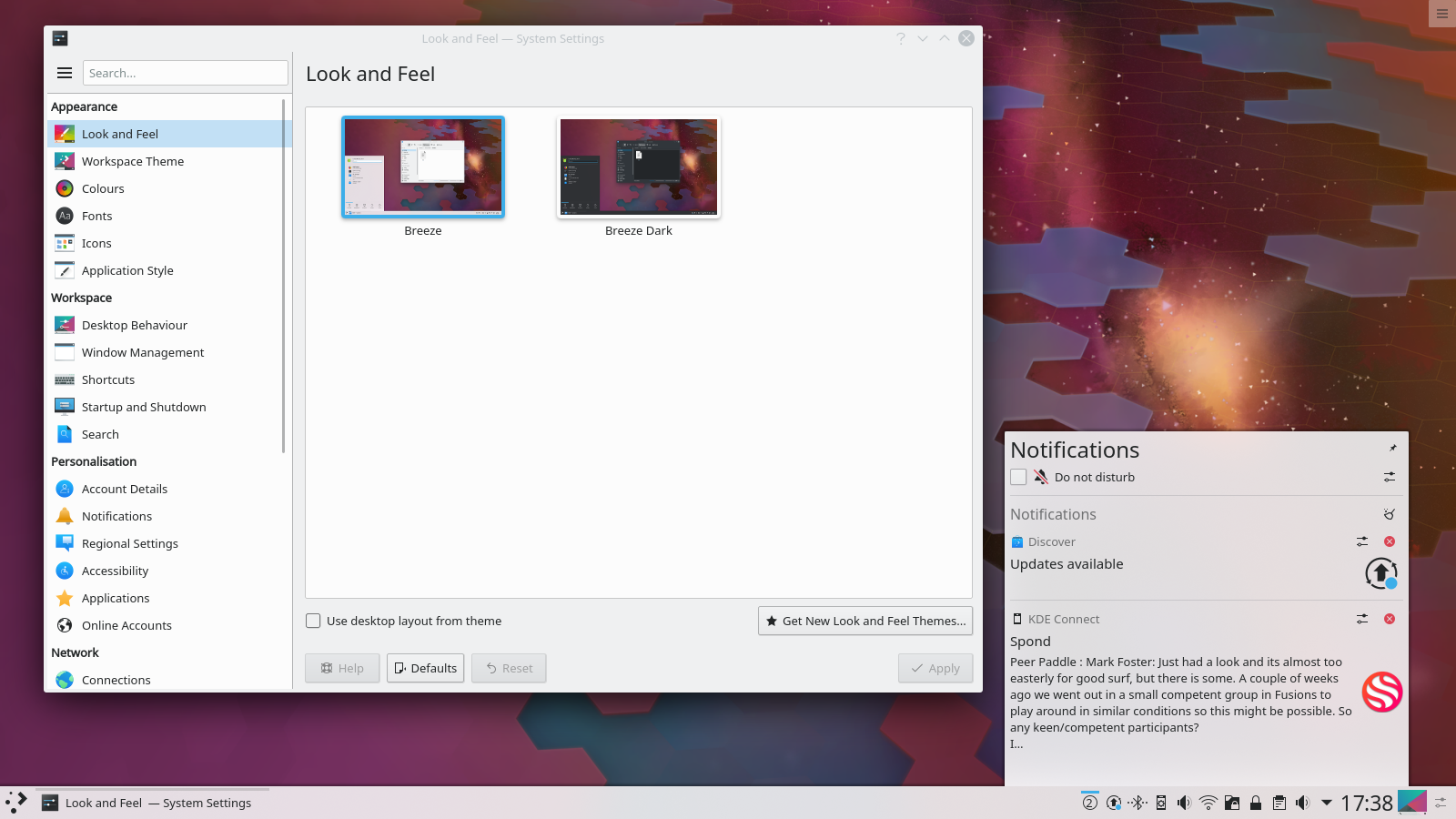
KDE Plasma 5.16 Beta
Thursday, 16 May 2019
Today KDE launches the beta release of Plasma 5.16.
In this release, many aspects of Plasma have been polished and rewritten to provide high consistency and bring new features. There is a completely rewritten notification system supporting Do Not Disturb mode, more intelligent history with grouping, critical notifications in fullscreen apps, improved notifications for file transfer jobs, a much more usable System Settings page to configure everything, and many other things. The System and Widget Settings have been refined and worked on by porting code to newer Kirigami and Qt technologies and polishing the user interface. And of course the VDG and Plasma team effort towards Usability & Productivity goal continues, getting feedback on all the papercuts in our software that make your life less smooth and fixing them to ensure an intuitive and consistent workflow for your daily use.
For the first time, the default wallpaper of Plasma 5.16 will be decided by a contest where everyone can participate and submit art. The winner will receive a Slimbook One v2 computer, an eco-friendly, compact machine, measuring only 12.4 x 12.8 x 3.7 cm. It comes with an i5 processor, 8 GB of RAM, and is capable of outputting video in glorious 4K. Naturally, your One will come decked out with the upcoming KDE Plasma 5.16 desktop, your spectacular wallpaper, and a bunch of other great software made by KDE. You can find more information and submitted work on the competition wiki page, and you can submit your own wallpaper in the subforum.
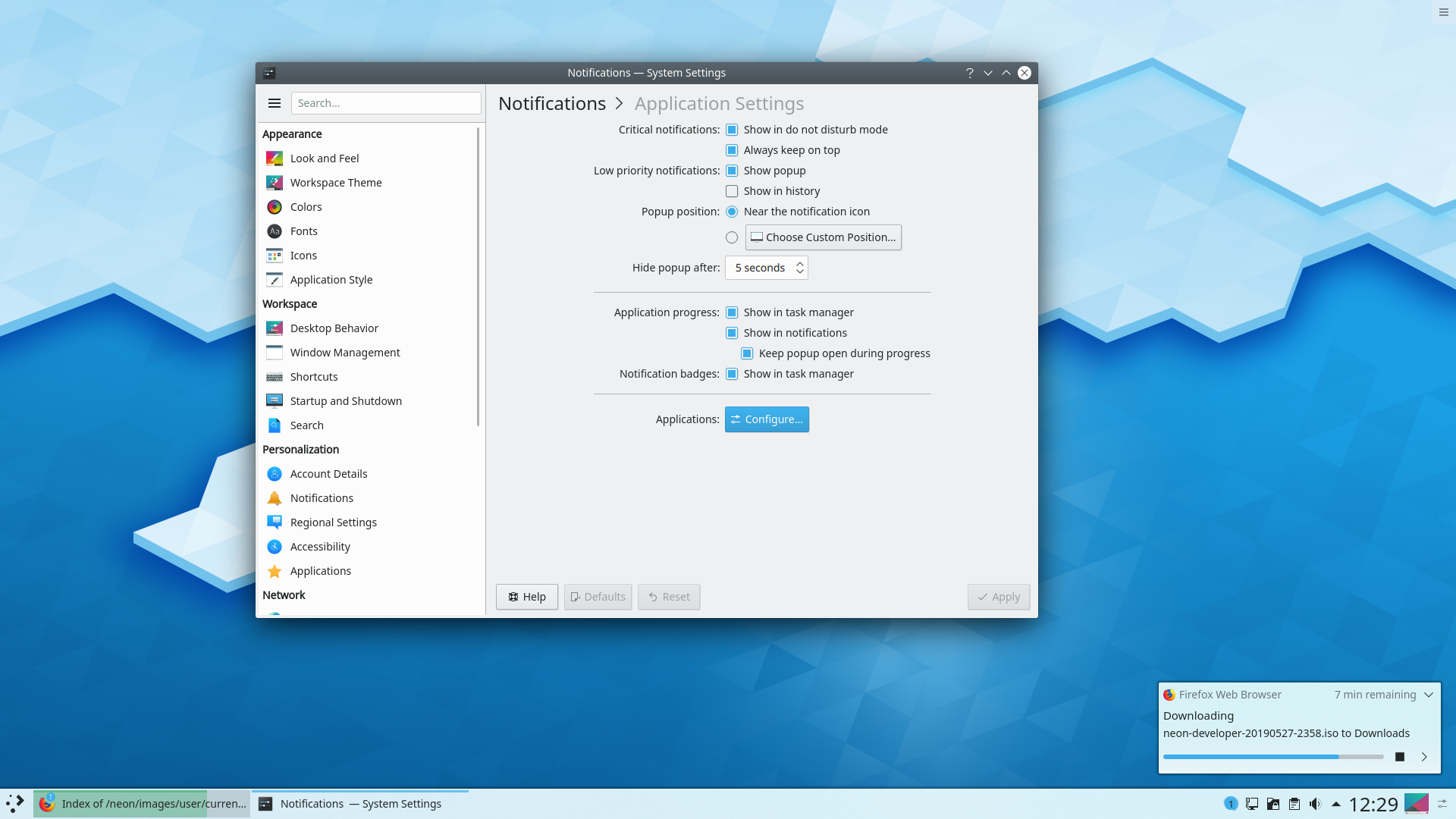
New Notifications
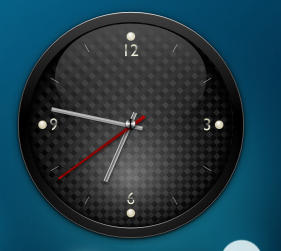
Theme Engine Fixes for Clock Hands!
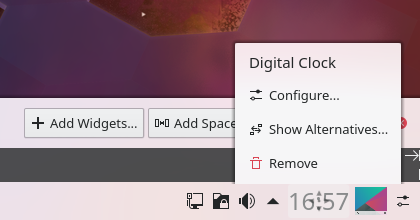
Panel Editing Offers Alternatives
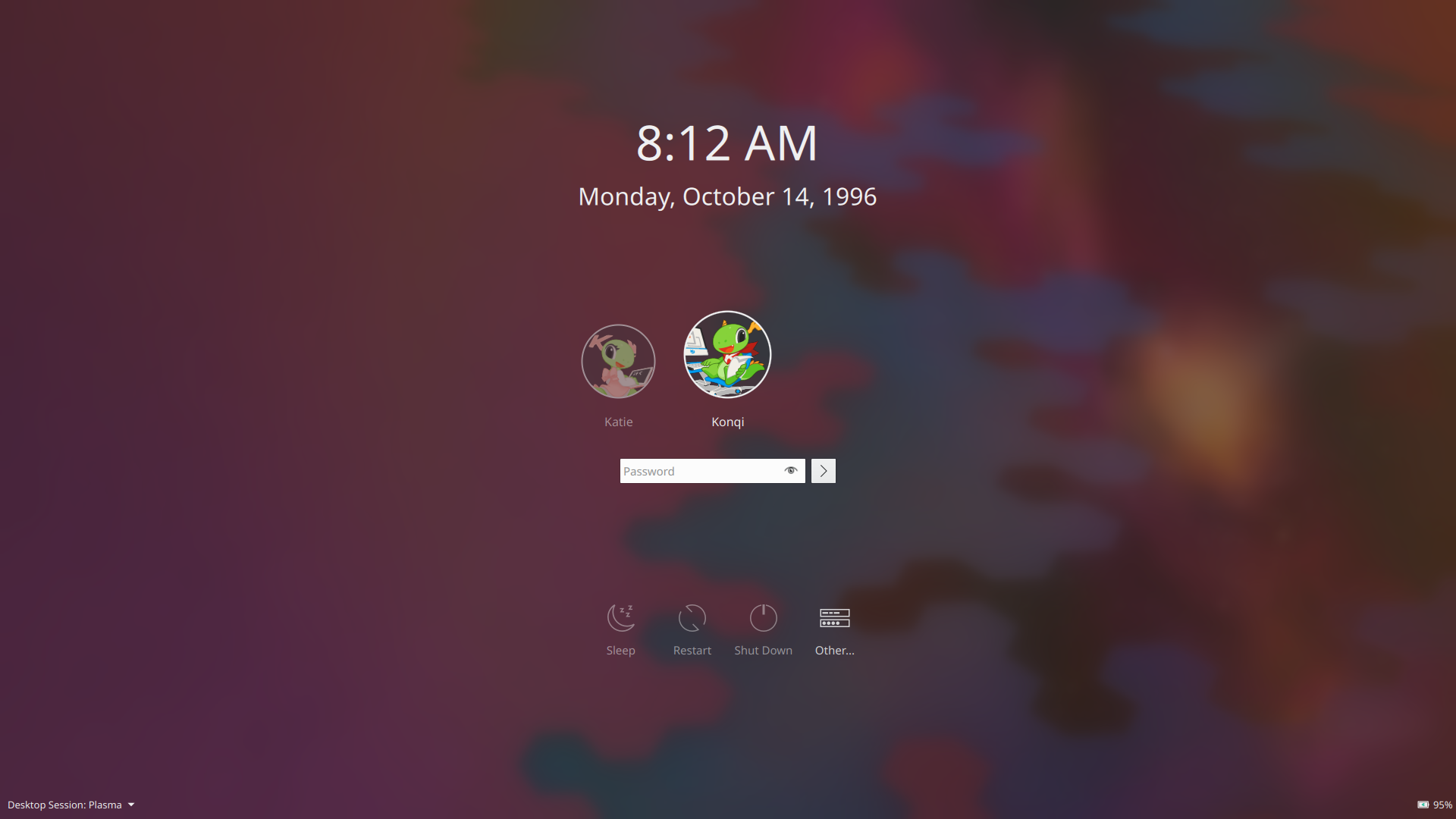
Login Screen Theme Improved
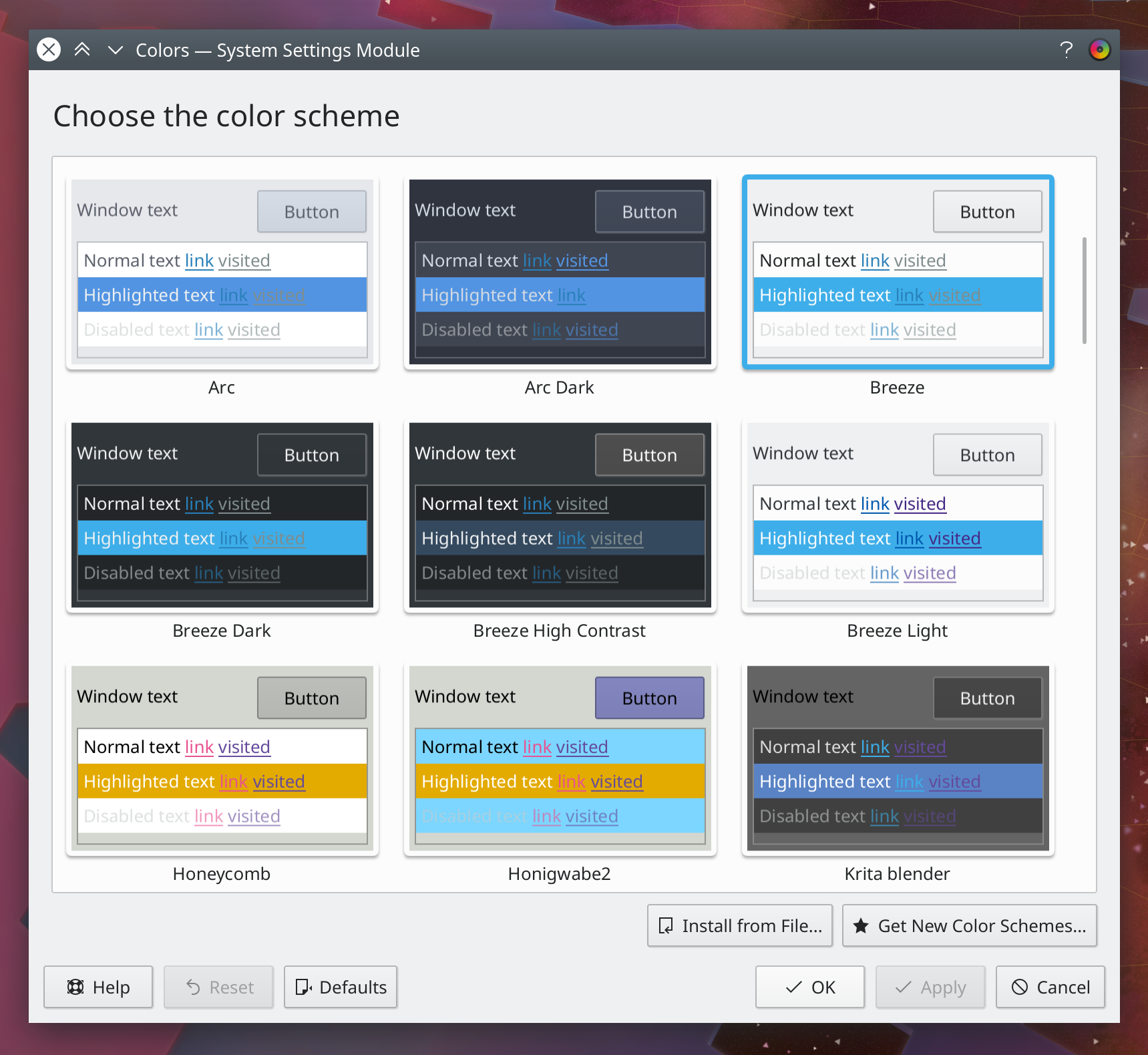
Color Scheme
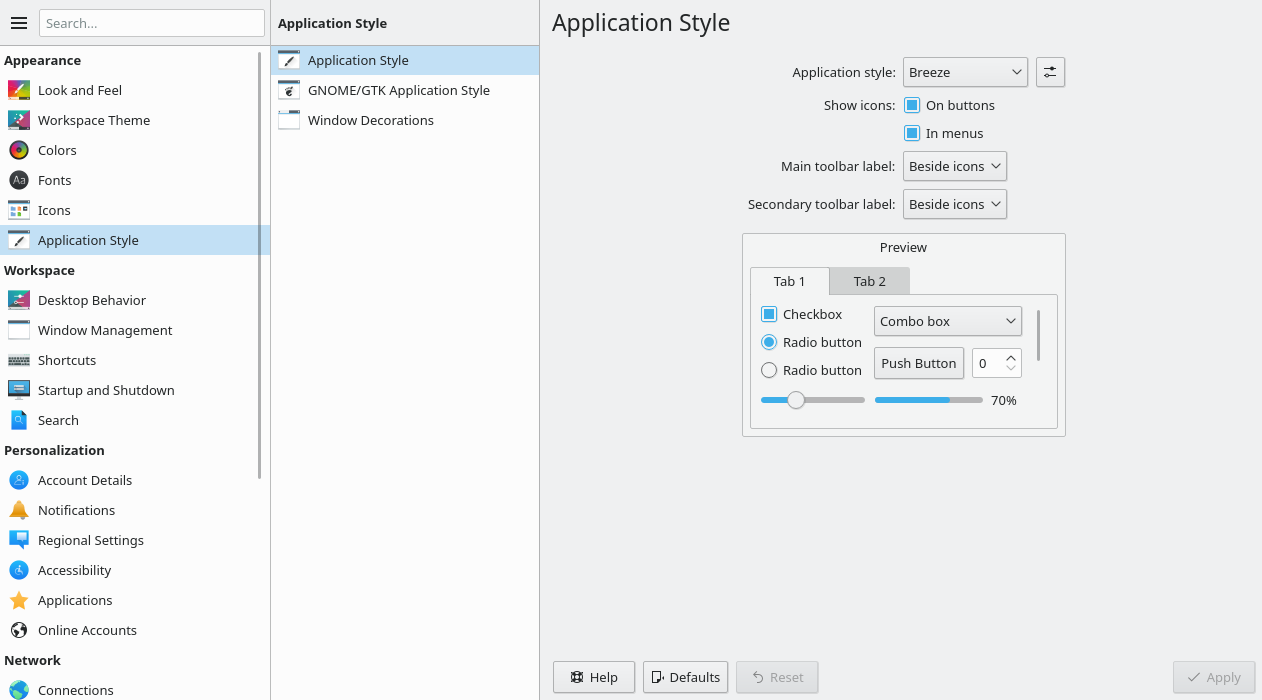
Application Style and Appearance Settings
There has been a general polish in all pages; the entire Appearance section has been refined, the Look and Feel page has moved to the top level, and improved icons have been added in many pages.
The Color Scheme and Window Decorations pages have been redesigned with a more consistent grid view. The Color Scheme page now supports filtering by light and dark themes, drag and drop to install themes, undo deletion and double click to apply.
The theme preview of the Login Screen page has been overhauled.
The Desktop Session page now features a "Reboot to UEFI Setup" option.
There is now full support for configuring touchpads using the Libinput driver on X11.
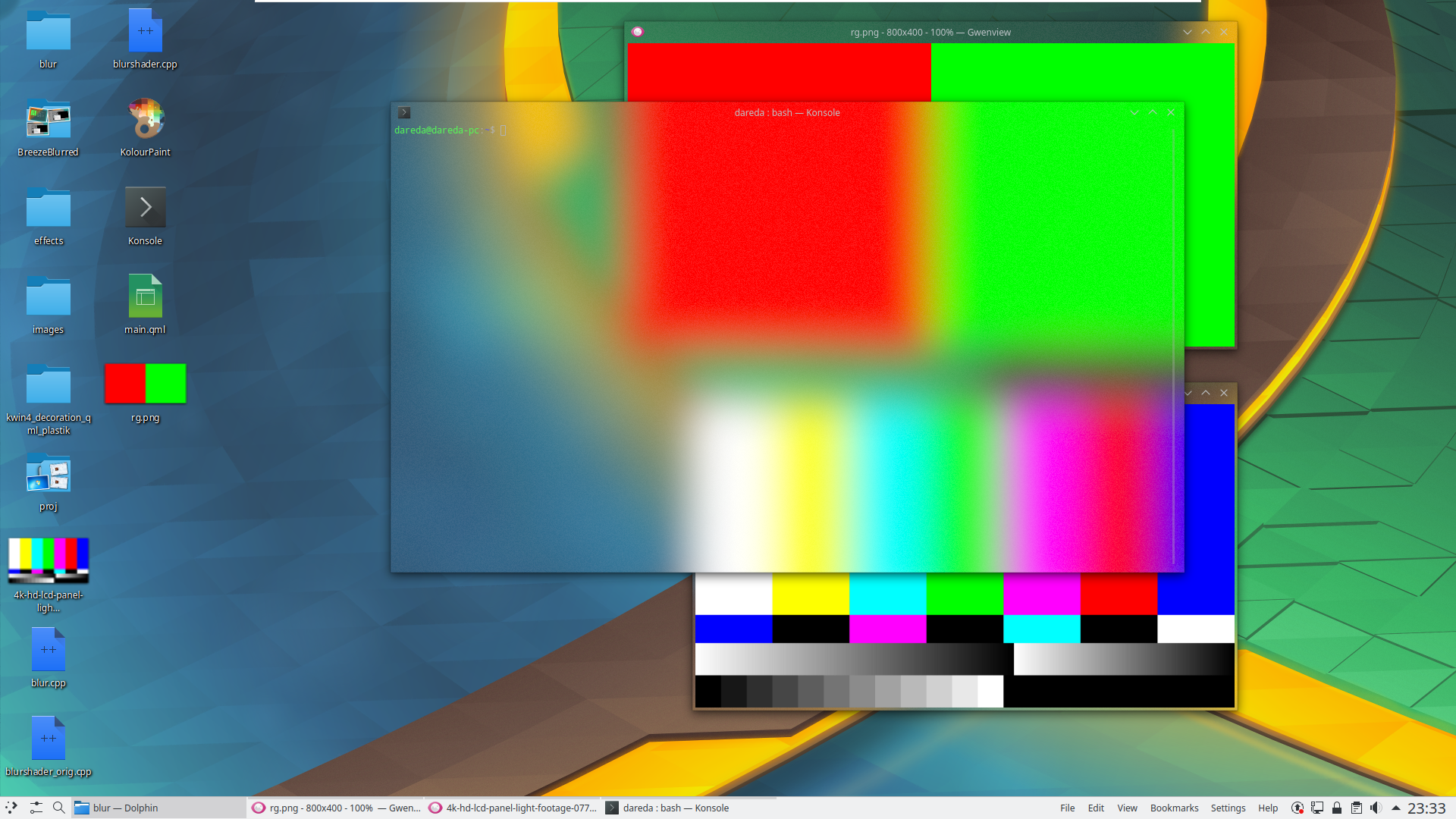
Window Management
Initial support for using Wayland with proprietary Nvidia drivers has been added. When using Qt 5.13 with this driver, graphics are also no longer distorted after waking the computer from sleep.
Wayland now features drag and drop between XWayland and Wayland native windows.
Also on Wayland, the System Settings Libinput touchpad page now allows you to configure the click method, switching between "areas" or "clickfinger".
KWin's blur effect now looks more natural and correct to the human eye by not unnecessary darkening the area between blurred colors.
Two new default shortcuts have been added: Meta+L can now be used by default to lock the screen and Meta+D can be used to show and hide the desktop.
GTK windows now apply correct active and inactive colour scheme.
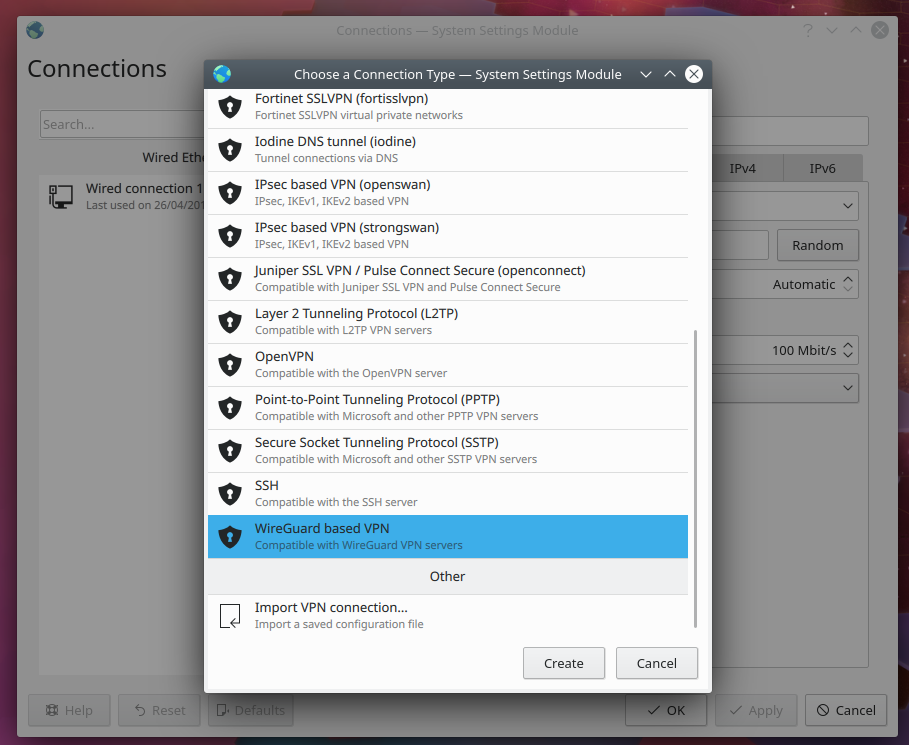
Plasma Network Manager with Wireguard
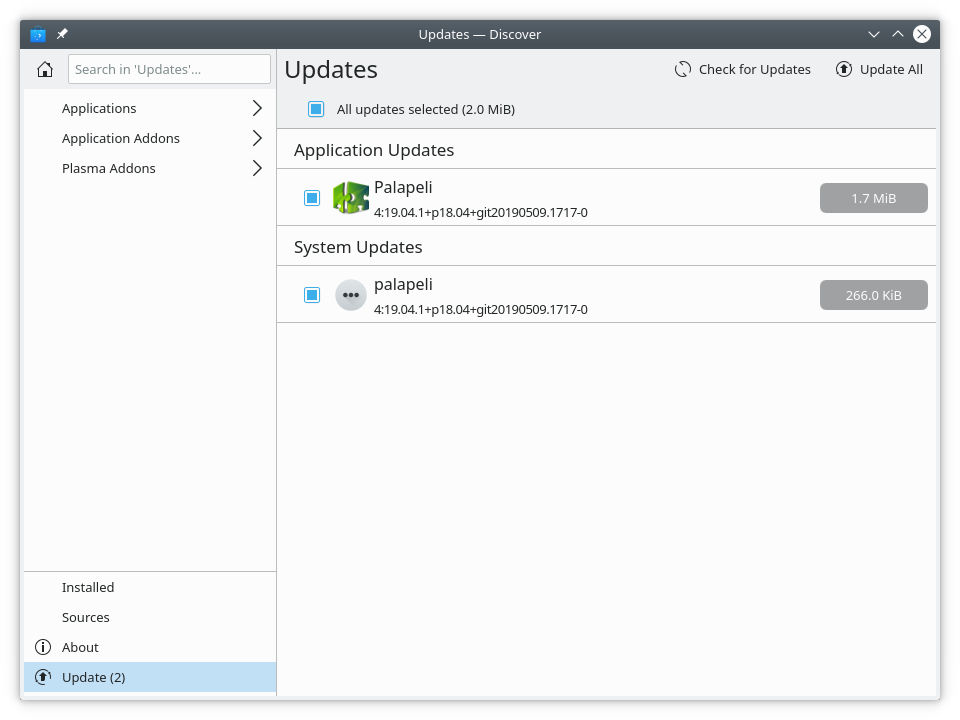
Updates in Discover
The easiest way to try it out is with a live image booted off a USB disk. Docker images also provide a quick and easy way to test Plasma.
Download live images with Plasma Download Docker images with PlasmaDistributions have created, or are in the process of creating, packages listed on our wiki page.
Note that packages of this release might not be available on all distributions at the time of this announcement.
Package download wiki pageYou can install Plasma directly from source.
Community instructions to compile it Source Info PageYou can give us feedback and get updates on our social media channels:
Discuss KDE on the KDE Forums.
You can provide feedback direct to the developers via the #Plasma Matrix channel, Plasma-devel mailing list or report issues via Bugzilla. If you like what the team is doing, please let them know!
Your feedback is greatly appreciated.
KDE is a Free Software community that exists and grows only because of the help of many volunteers that donate their time and effort. KDE is always looking for new volunteers and contributions, whether it is help with coding, bug fixing or reporting, writing documentation, translations, promotion, money, etc. All contributions are gratefully appreciated and eagerly accepted. Please read through the Supporting KDE page for further information or become a KDE e.V. supporting member through our Join the Game initiative.
KDE is an international technology team that creates free and open source software for desktop and portable computing. Among KDE’s products are a modern desktop system for Linux and UNIX platforms, comprehensive office productivity and groupware suites and hundreds of software titles in many categories including Internet and web applications, multimedia, entertainment, educational, graphics and software development. KDE software is translated into more than 60 languages and is built with ease of use and modern accessibility principles in mind. KDE’s full-featured applications run natively on Linux, BSD, Windows, Haiku, and macOS.
Trademark Notices.
KDE® and the K Desktop Environment® logo are registered trademarks of KDE e.V..
Linux is a registered trademark of Linus Torvalds. UNIX is a registered trademark of The Open Group in the United States and other countries.
All other trademarks and copyrights referred to in this announcement are the property of their respective owners.
For more information send us an email: press@kde.org